Welcome to Akagera National Park
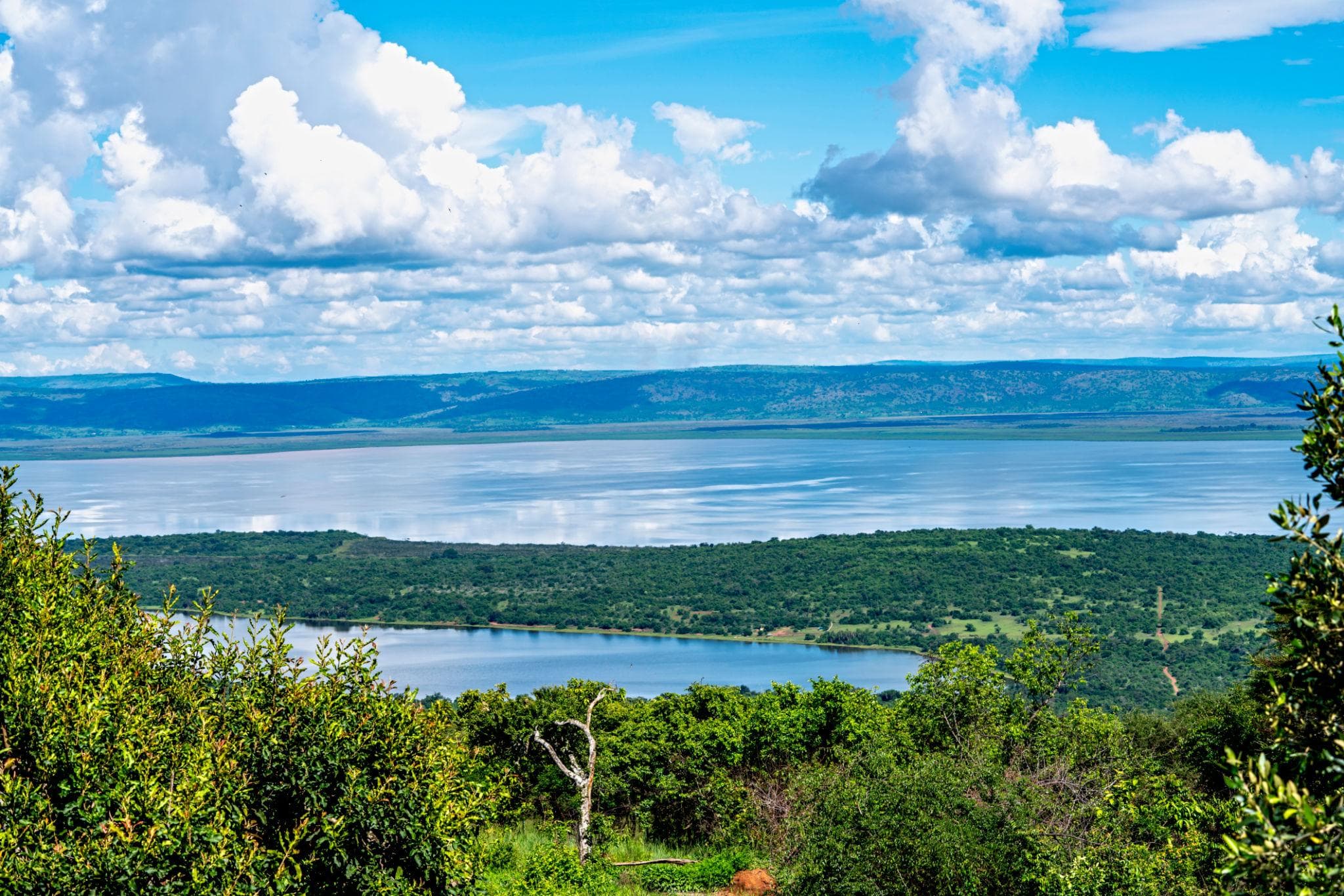
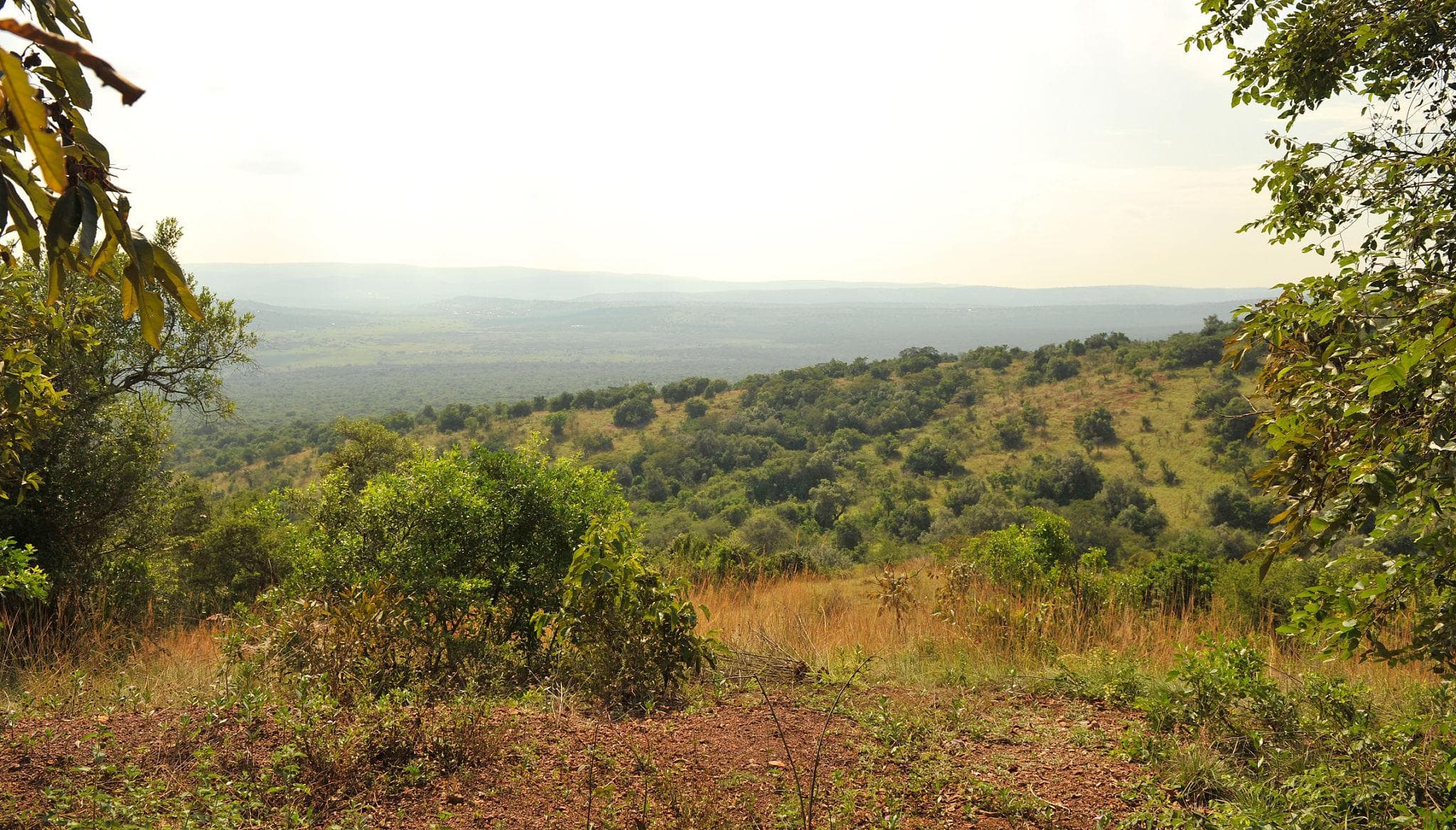
Akagera National Park is Rwanda's only savannah national park and one of Africa's most remarkable conservation success stories. Covering 1,122 square kilometres in eastern Rwanda along the Tanzanian border, Akagera offers a classic Big Five safari experience within one of the continent's most scenic landscapes. From sprawling savannah plains to papyrus-fringed lakes and rolling highlands, the park is a mosaic of diverse habitats that supports an incredible variety of wildlife. Whether you're a first-time safari-goer or a seasoned wildlife enthusiast, Akagera delivers an authentic African safari experience that rivals parks many times its size.
Location & How to Get There
Akagera National Park is located in eastern Rwanda, approximately 120 kilometres (a 2.5-hour drive) from Kigali, the capital city. The park stretches along the Tanzanian border and is bordered by a series of lakes fed by the Akagera River. Most visitors travel from Kigali via the well-maintained RN15 highway. You can self-drive, hire a private transfer, or join an organised safari tour. The main entry point is the southern Kiyonza Gate, while the northern Nyungwe Gate provides access from the north. Both gates have visitor centres with information about the park.
The Big Five & Wildlife
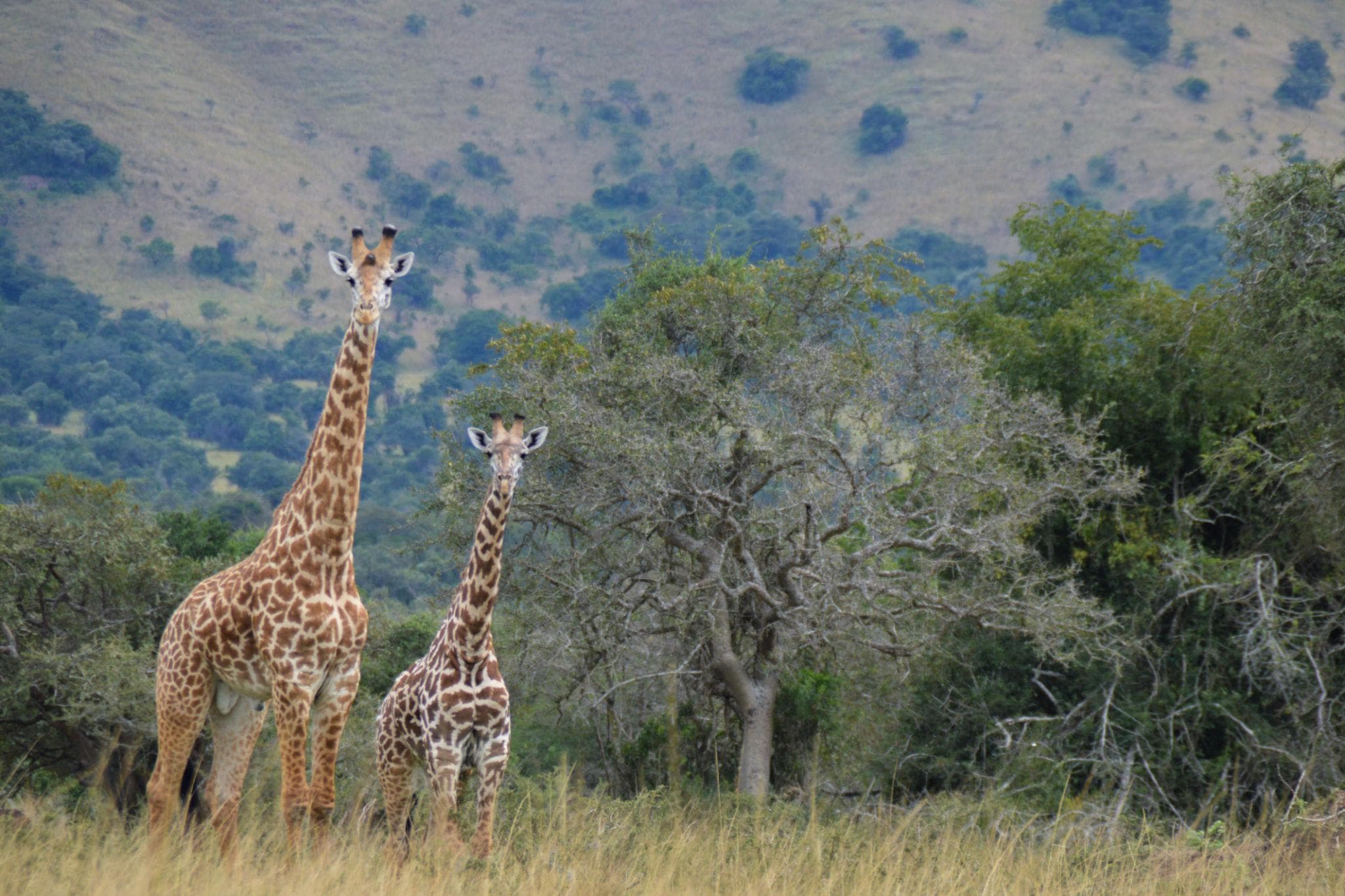
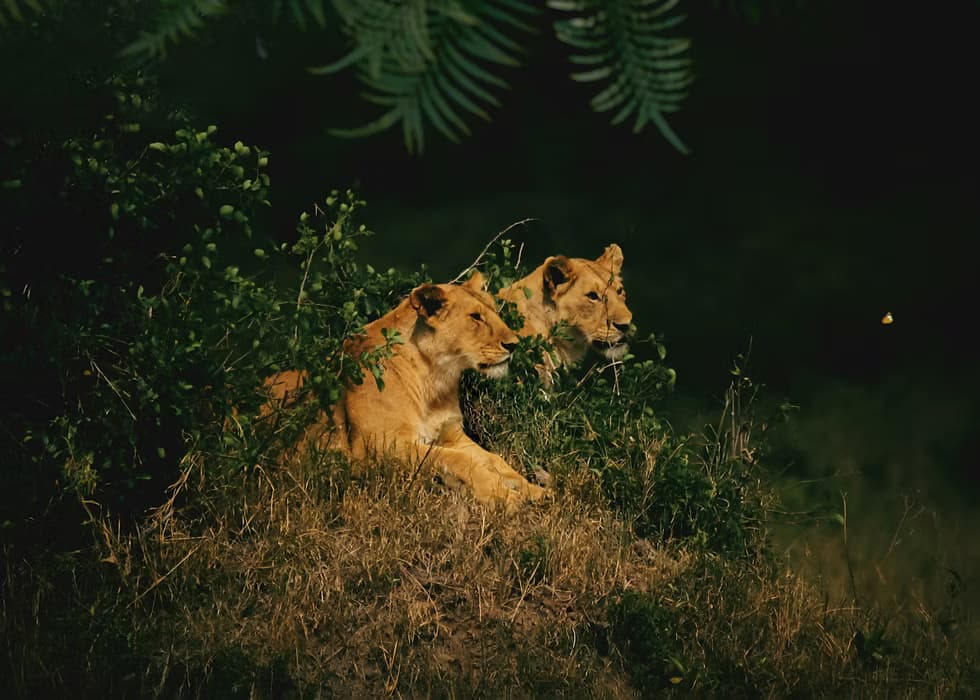
Akagera is home to Africa's iconic Big Five — lions, elephants, black rhinos, leopards, and Cape buffalo. Lions were reintroduced in 2015 after a 20-year absence, and black rhinos returned in 2017, making Akagera Rwanda's only Big Five destination. Beyond the Big Five, the park hosts over 500 species of birds, including the rare shoebill stork, and large populations of hippos, crocodiles, giraffes, zebras, topi, impalas, and a variety of primates. The park's lakes are teeming with aquatic life, and the wetlands are a birdwatcher's paradise.
Safari Options & Activities
Akagera offers a range of safari activities to suit every visitor. Game drives are the most popular way to explore, available as full-day or half-day excursions in 4x4 vehicles with expert guides. Boat safaris on Lake Ihema provide a unique perspective, bringing you up close to hippos, crocodiles, and waterbirds. Night drives reveal the park's nocturnal wildlife, including aardvarks, bush babies, and hunting predators. For the adventurous, guided nature walks and bird watching tours offer intimate encounters with the bush. Photography tours, fishing excursions, and community cultural visits round out the experience.
Park Entry Fees & Costs
Park entry fees vary depending on your residency status and nationality — contact us for current rates. East African residents benefit from reduced local rates. Vehicle fees apply separately for both foreign-registered and Rwandan-registered vehicles. Guided game drives, boat safaris on Lake Ihema, and night drives each have their own activity fees. Most safari packages include park fees, vehicle hire, guide services, and meals, offering better value than booking each component individually. Contact us for a full breakdown of current fees.
Where to Stay
Akagera has accommodation options for every budget. Mantis Akagera Game Lodge is the park's premier luxury option, offering stunning lake views and world-class hospitality. Magashi Camp by Wilderness Safaris provides an exclusive luxury tented experience in the northern sector. For budget travellers, the park offers well-maintained campsites at Shakani, Mutumba, and Muyumbu. The nearby town of Kayonza also has guesthouses and hotels for those preferring to stay outside the park.
Essential Travel Tips
Pack light, breathable clothing in neutral colours for game drives. Bring binoculars, a good camera with a zoom lens, sunscreen, insect repellent, and a hat. Early morning and late afternoon are the best times for wildlife viewing. The dry season (June to September) offers the best game viewing as animals gather near water sources. Always follow your guide's instructions and stay in the vehicle during game drives. Malaria prophylaxis is recommended, and visitors should drink bottled water only.